


A Cozy Cross-Stitch Sampler for the Autumn Season
Embroidery | September 25, 2026
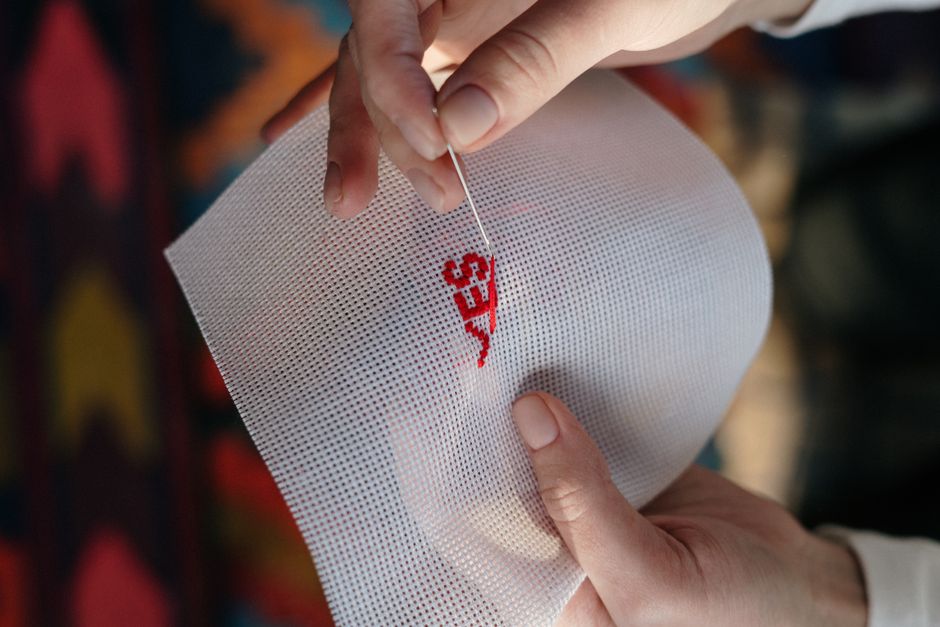
Autumn is the season that practically begs to be stitched. The colors alone are enough to make any maker's heart flutter: burnt orange, deep russet, goldenrod, moss, and cream. A cross-stitch sampler is the perfect way to capture that warmth and keep it with you all year round. Unlike larger embroidery projects, cross-stitch is wonderfully rhythmic and forgiving. Every stitch is the same little X, and before you know it, a picture emerges from a grid of colored squares.
For this sampler, I like to imagine a scene you might glimpse from a farmhouse window on a crisp October evening. A little cottage with a curling wisp of smoke from its chimney. A few acorns scattered beneath an oak. A tangle of vines and berries framing the edges. And somewhere, a single line of text, something like "gather" or "home sweet home" in a simple alphabet. You can design your own on graph paper, or find a vintage-inspired pattern in a cross-stitch book or magazine.
Choosing Fabric, Floss, and Frame
Aida cloth is the traditional choice for cross-stitch, and it comes in a range of counts, which refers to the number of squares per inch. Fourteen-count is a comfortable starting point, giving you stitches that are easy to see without straining your eyes. For an autumn sampler, consider a hand-dyed or tea-stained Aida in a soft parchment shade. It gives the finished piece an heirloom quality, as though it's been hanging in a farmhouse for a hundred years.
Floss colors are where the fun really begins. Pull together a palette of warm, earthy tones: pumpkin, brick, wheat, olive, and chocolate brown. Add a single accent of creamy white for highlights. Work with two strands of floss for good coverage on fourteen-count fabric, and keep your stitches uniform by always crossing them in the same direction. This small habit makes a big difference in the final look.
Stitching and Finishing Your Sampler
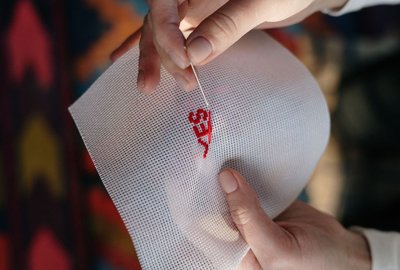
Begin in the center of your fabric and work outward, following your chart row by row. Cross-stitch is wonderfully portable, so feel free to tuck it into a project bag and work on it while waiting for appointments or during quiet evenings. The repetition is soothing, and the slow accumulation of color is deeply satisfying. If you make a mistake, don't panic. A misplaced stitch can usually be unpicked with a needle tip, and a small error often goes unnoticed once the whole piece is complete.
When your sampler is finished, gently wash it in cool water with a drop of mild soap, roll it in a towel to remove excess moisture, and press it face down on a soft towel. Then frame it in a simple wooden hoop or a vintage frame from a thrift store. Hang it where you'll see it every day, perhaps near the kettle or above your sewing table. Each time you pass it, you'll be reminded of the quiet hours you spent stitching autumn into being.


Bobbin And Bell

Fill tiny fabric envelopes with dried lavender and slow stitches for a gift that smells like a summer garden.